


A bird mystery that has puzzled Aotearoa New Zealand scientists for decades has been solved.
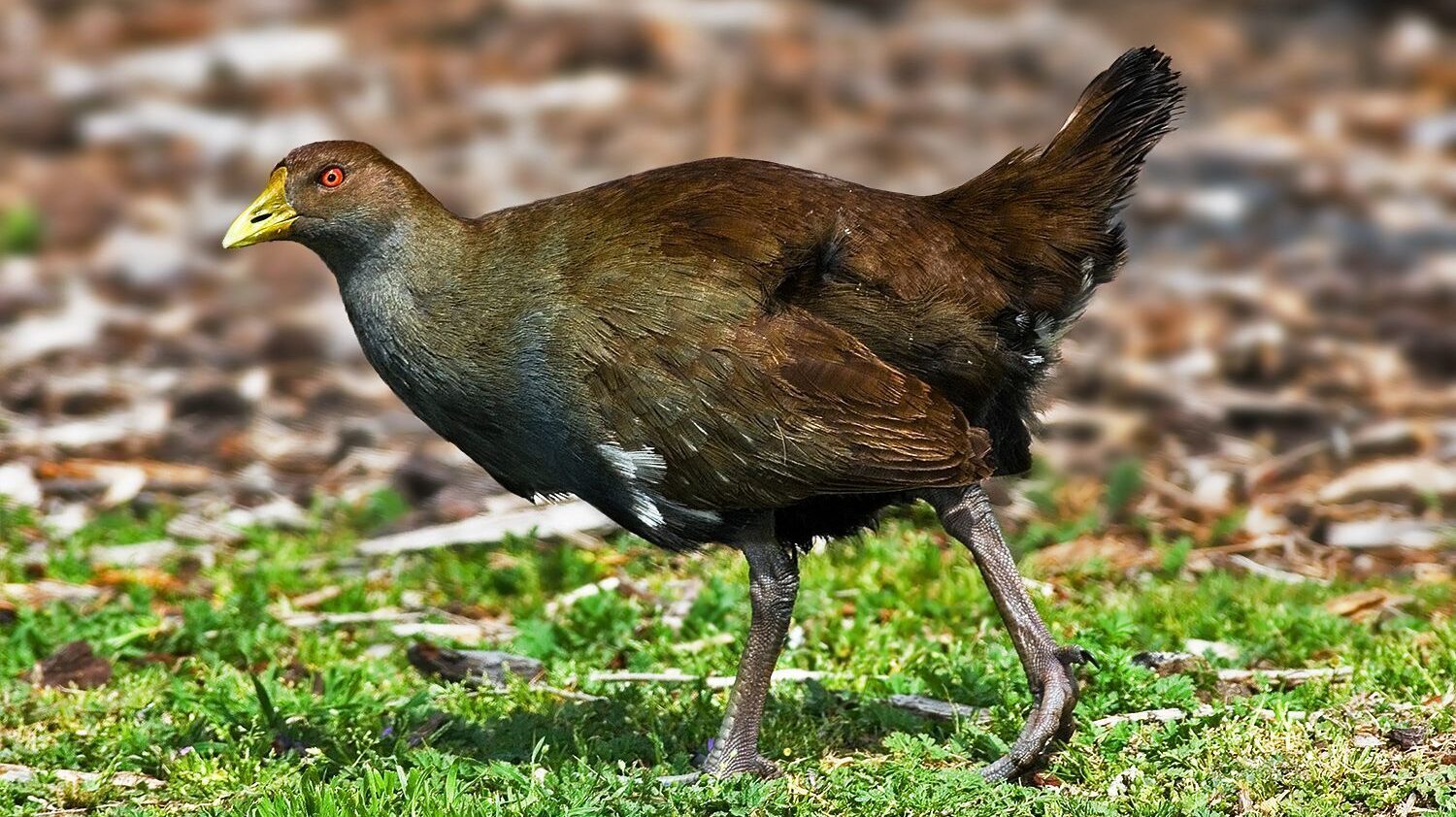
What's been known as Hodgens’ Waterhen was a flightless bird that used to live in Aotearoa New Zealand but disappeared shortly after human arrival. For many years, nobody was quite sure where it fitted in the bird family tree, and it was placed in as many as six different groups (genera) by scientists. The two subspecies of this crake were recognised and described by Canterbury Museum Palaeontologist Ron Scarlett in the 1950s. The Museum holds over two thirds of the specimens of this species in the world, with about 700 in the collection, so was in a good position to provide samples for analysis.
Now, thanks to some clever detective work using DNA from these ancient bones, the mystery has finally been solved. The new research, published in the Journal of Ornithology, used special genetic "markers" (like unique barcodes) in its mitochondrial DNA to figure out its true identity.
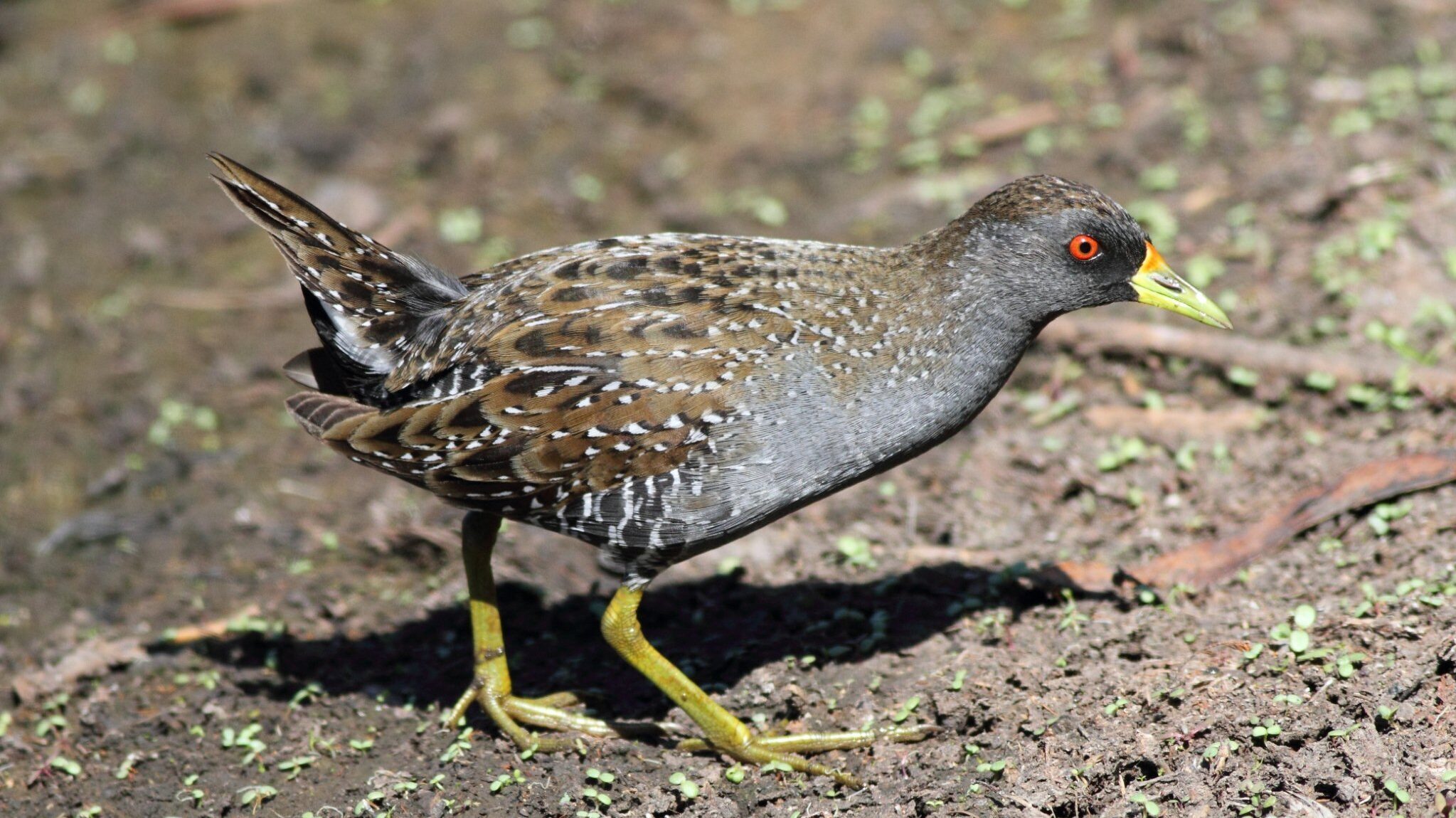
Here's the exciting part: the study showed that the Hodgens' Waterhen wasn't related to the two surviving Australian nativehens (Tribonyx) as previously thought. Instead, it's actually a giant species of crake. It's closest living relative is the much smaller Australian Crake (Porzana fluminea). This means its scientific name has officially changed from Tribonyx hodgenorum to Porzana hodgenorum.
This discovery is a fantastic example of "island gigantism". This is a cool thing that happens when animals move to islands with fewer predators and lots of food, allowing them to grow much larger than their relatives on the mainland. The Hodgens’ Waterhen weighed about 313 grams for males and 263 grams for females. That's an incredible three to six times bigger than its little cousin, the Australian Crake, which only weighs around 60 grams! Previously, scientists thought it was a small version of its supposed relatives like the Tasmanian nativehen, but this new information completely flips that idea.
Another fascinating detail is that Hodgens' Waterhen is now the only known flightless species within the entire Porzana group. Before this study, other flightless birds were thought to be Porzana, but DNA evidence showed they actually belonged to different groups of birds.
The study also looked at its body, especially its legs. Even though this crake grew to be much heavier, its lower leg bone (called the tarsometatarsus) only grew about one-third longer. This gave it shorter, stockier legs for its size, a common feature in other flightless New Zealand birds. These sturdier, shorter legs might have helped it move around on the ground slowly and heavily or helped it forage for food by scratching through soil or leaves, like New Zealand's famous weka. This suggests it wasn't built for super-fast running.
To better acknowledge its new family group and its impressive size, scientists are suggesting a common name change for this extinct bird to the New Zealand Giant Crake. It lived in swamps or open grassy areas in the eastern parts of New Zealand's North and South Islands. The research also found that the birds from the North Island were significantly larger than those from the South Island. Because of these size differences and some tiny molecular differences, the North Island population is now thought to be a separate subspecies, tentatively named Porzana hodgenorum hartreei.


