

Three years after being diagnosed with tuberculosis, Edward Wilson marched into the icy unknown in the world’s most extreme environment.
Born in Cheltenham, England, Wilson was a doctor, a scientist and an artist with both of Captain Robert Falcon Scott’s Antarctic expeditions – the Discovery expedition (1901–1904) and the Terra Nova expedition (1910–1913). He is a significant figure in the history of both Antarctic exploration and Antarctic art. Canterbury Museum’s collection includes original and rare reproductions of Wilson’s artworks that chart his life story.

From an early age, Wilson had a love of nature and art. He enjoyed walks in the countryside with his father and won prizes at school both for his natural history and artistic interests. The earliest example of Wilson’s art in the collection is a watercolour sketch of a Gloucestershire country house painted when he was 15 or 16 years old.
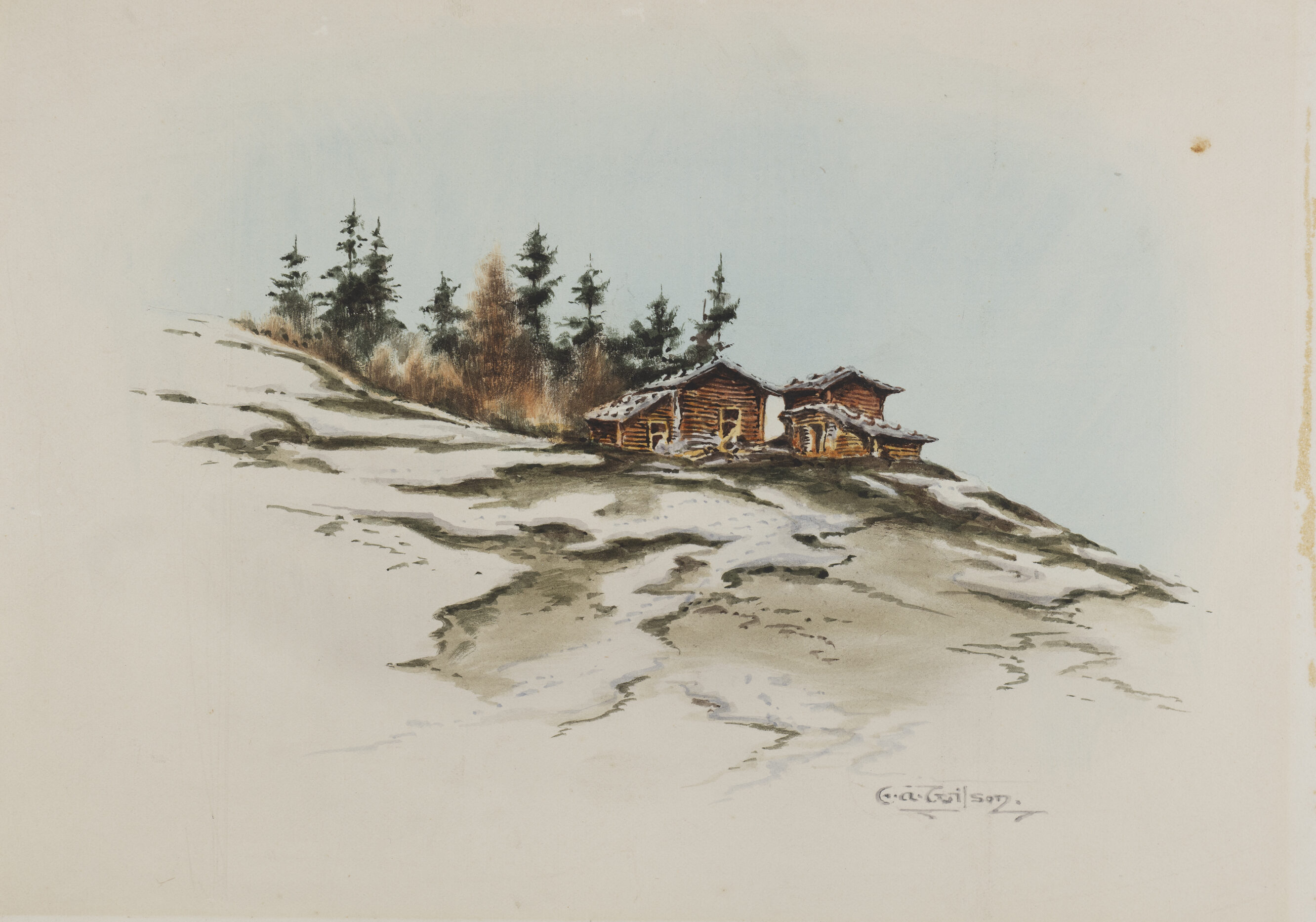
Wilson read natural sciences at Cambridge, and he volunteered in the slums of London whilst studying for his medical degree. His gruelling work ethic impacted his health – he was diagnosed with tuberculosis in 1898. The treatment was convalescence in a cold, dry climate. He spent over 18 months in recovery in the mountain air of Norway and the Swiss Alps. Here he honed his painting skills.
On his return to the UK, Wilson finished his medical studies and became a doctor shortly before learning of an opening for a junior surgeon and zoologist with Scott’s Discovery expedition. Scott was hugely impressed with Wilson, but medical examinations showed that, although the tuberculosis had cleared, there were scars on his lungs. Scott asked Wilson if he would join the expedition at his own risk. Considering Antarctica is the coldest, driest place in the world, Wilson noted, “If the climate suits me, I shall come back more fit for work than ever, whereas if it doesn’t, I think there’s no fear of my coming back at all. I quite realise that it is kill or cure, and have made up my mind it shall be cure.”
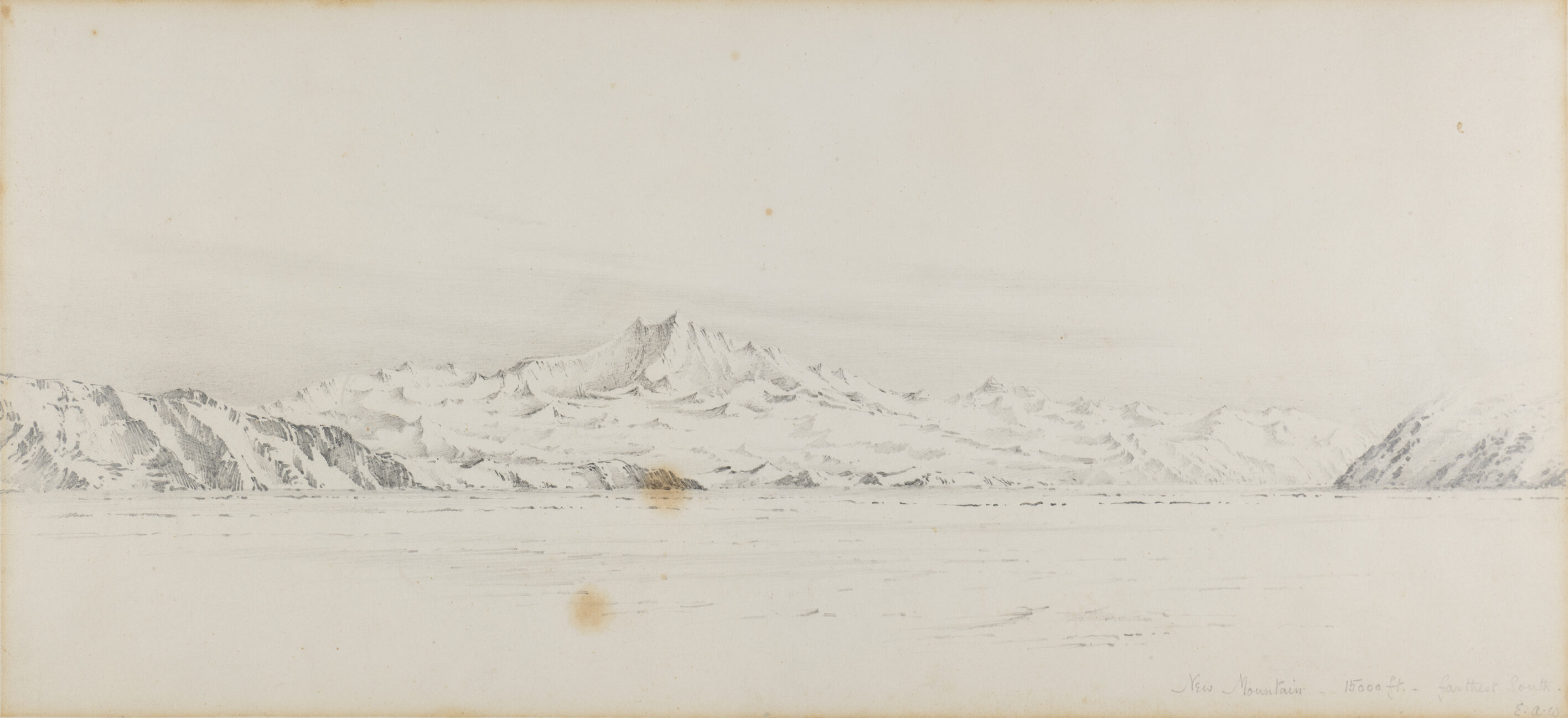
Alongside Scott and Ernest Shackleton, Wilson was part of the three-person team that achieved the farthest south record during the expedition. Despite excruciating snow blindness, Wilson sketched a new mountain range that came into view on the last day before turning north.
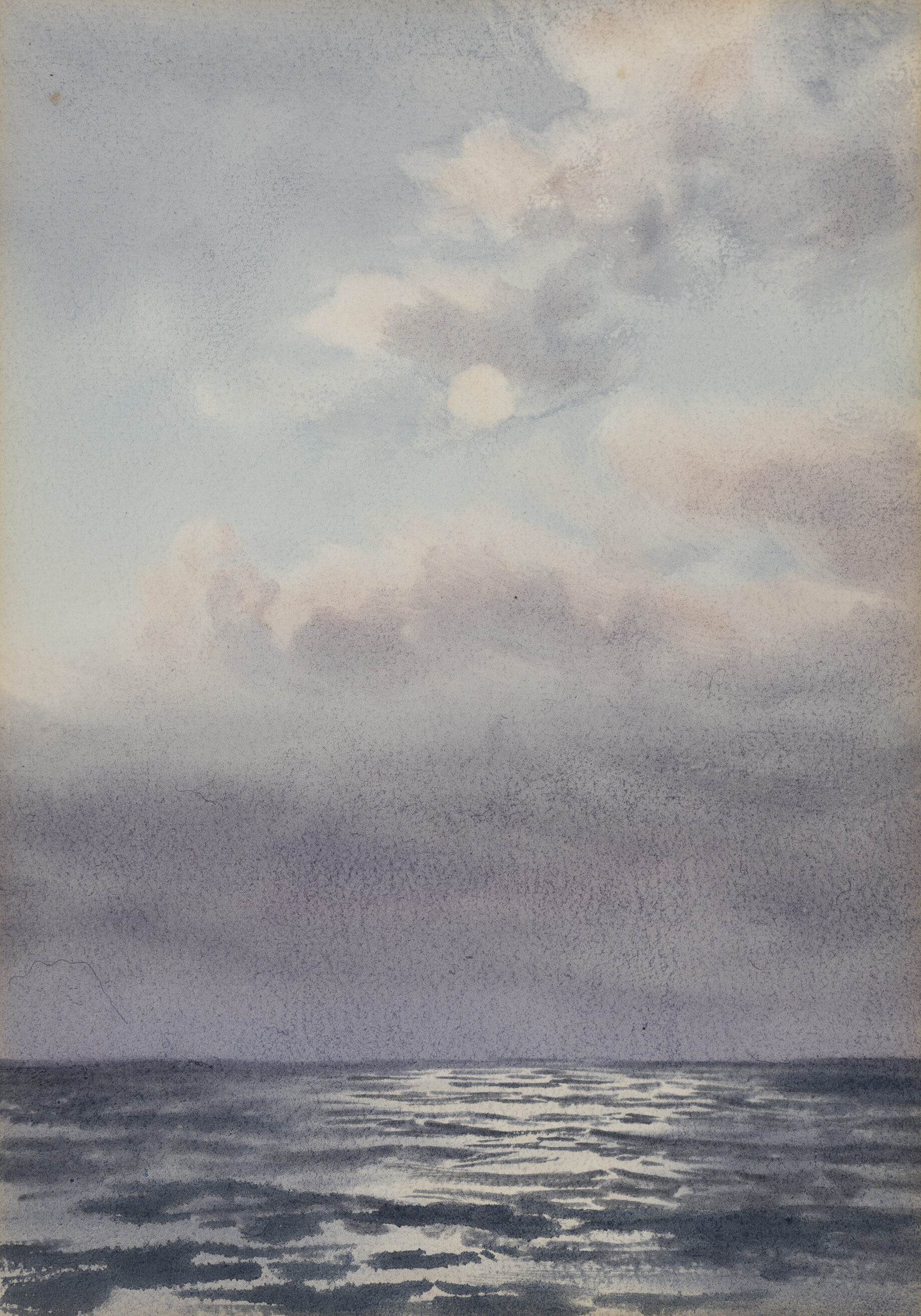
The Antarctic climate suited Wilson and 6 years later Scott invited him to be chief of scientific staff with the Terra Nova expedition. On the voyage south, Wilson was up at dawn, sketching and painting on the deck almost every day. When the ship anchored in Lyttelton, he gifted two of these artworks to the Wigram family, who bequeathed them to the Museum decades later.
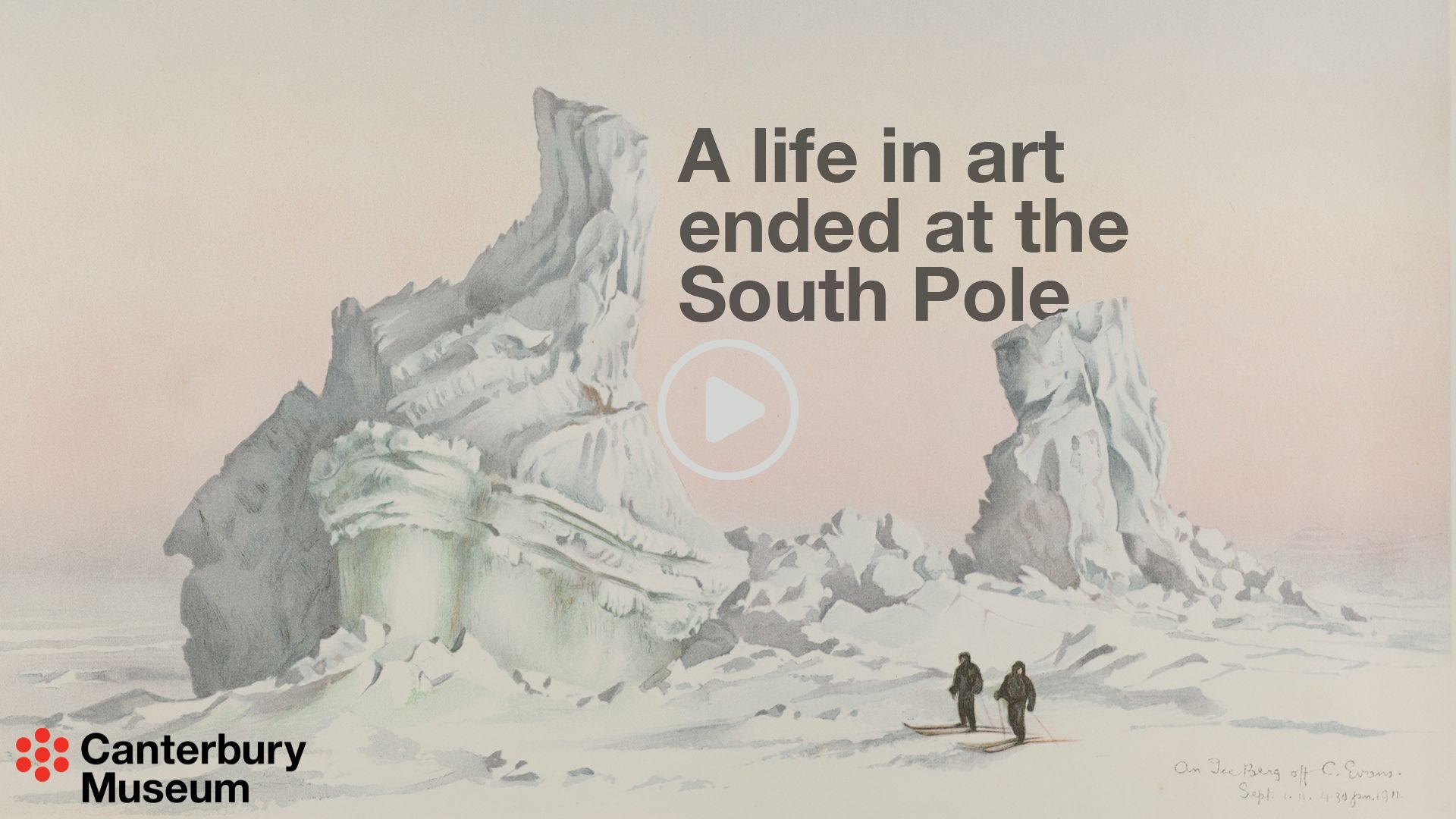
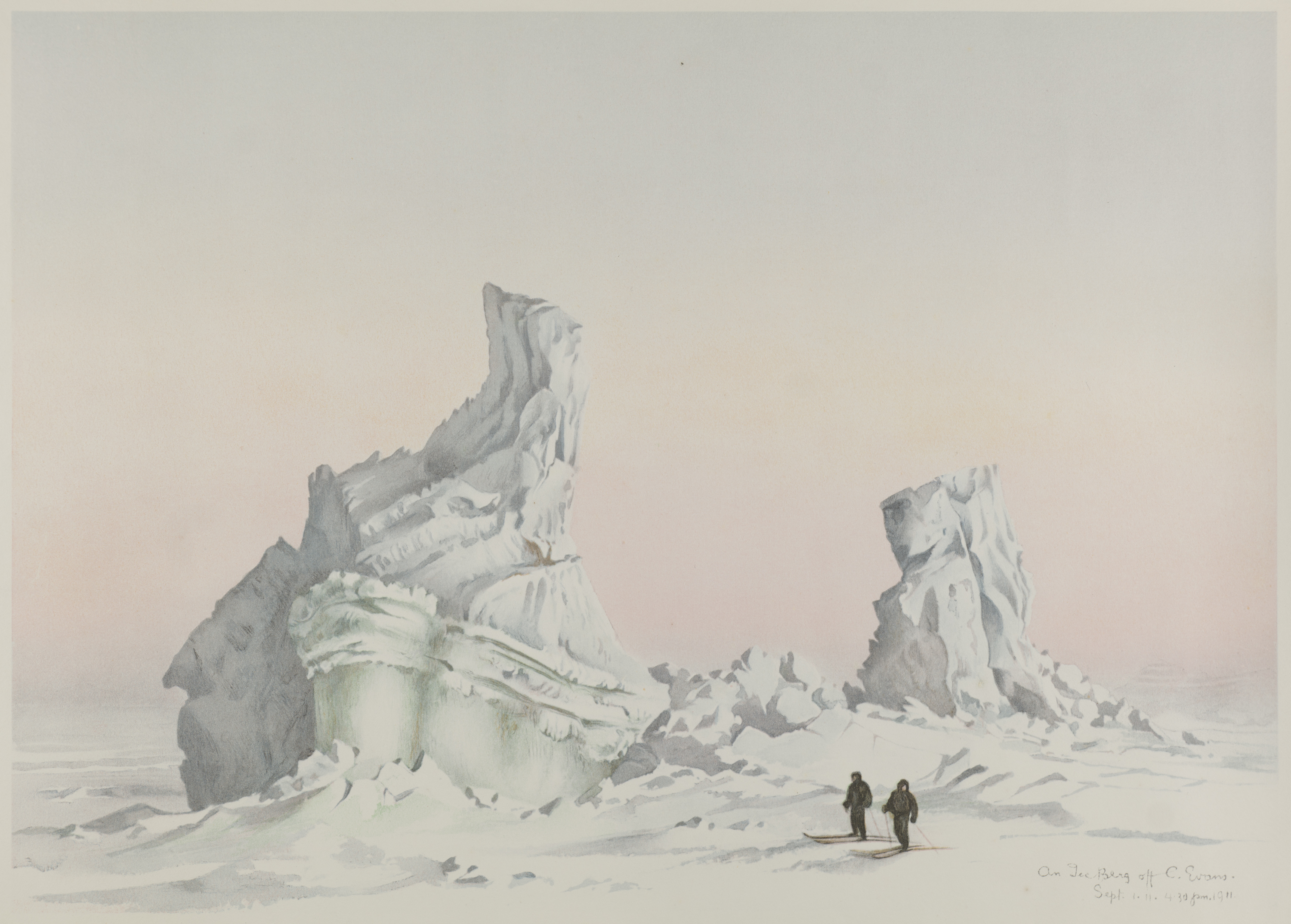
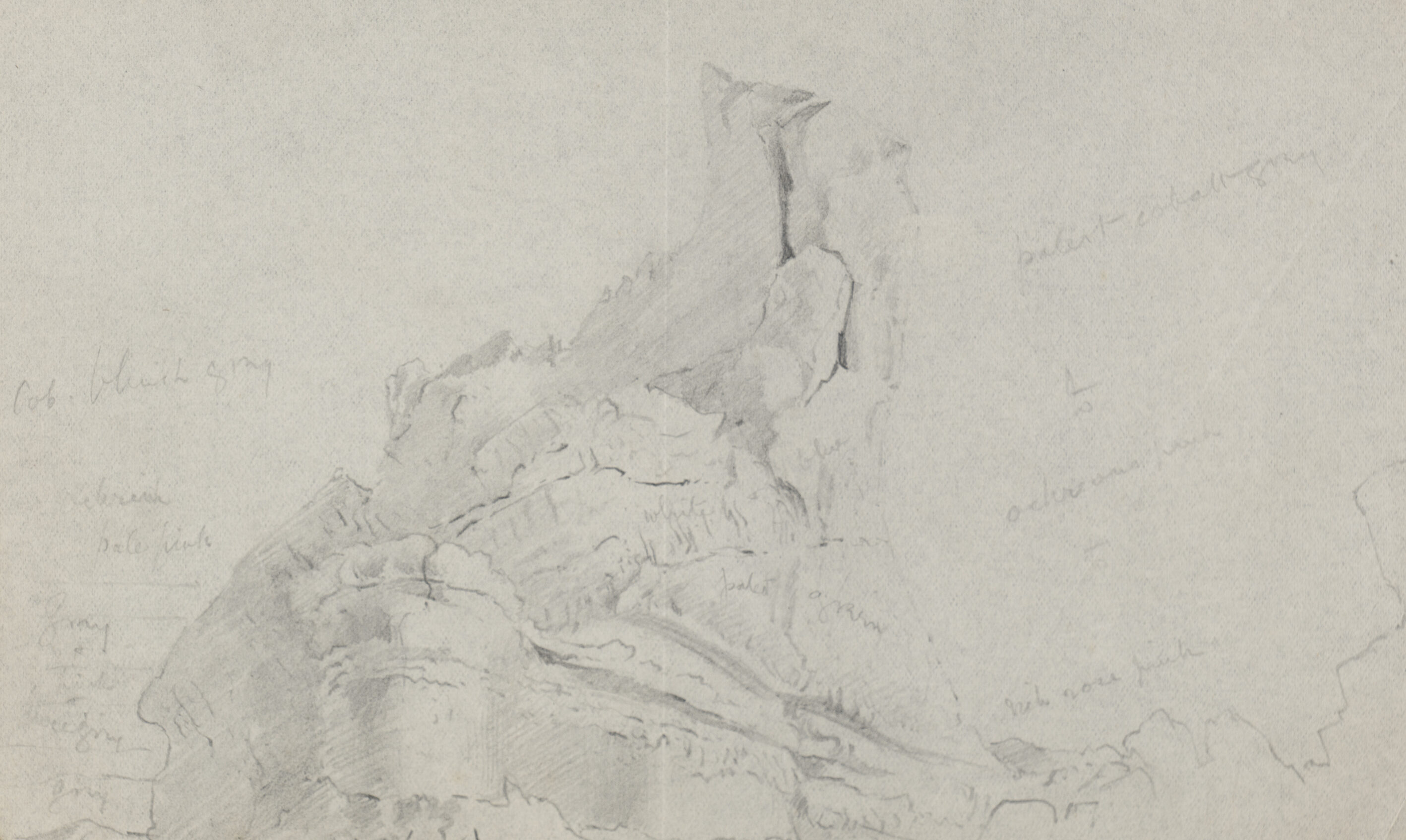
One of the treasures in the collection from Wilson’s second Antarctic expedition is a small pencil sketch of an iceberg that shows his working process. Wilson drew field sketches in pencil with colour annotations. He had an outstanding colour memory and would paint up the scene when back inside the warmth of the hut. The iceberg sketch, below, can be compared to the lithograph of the finished painting, featured at the top of this story, to see how Wilson translated his written notes into delicate colour.
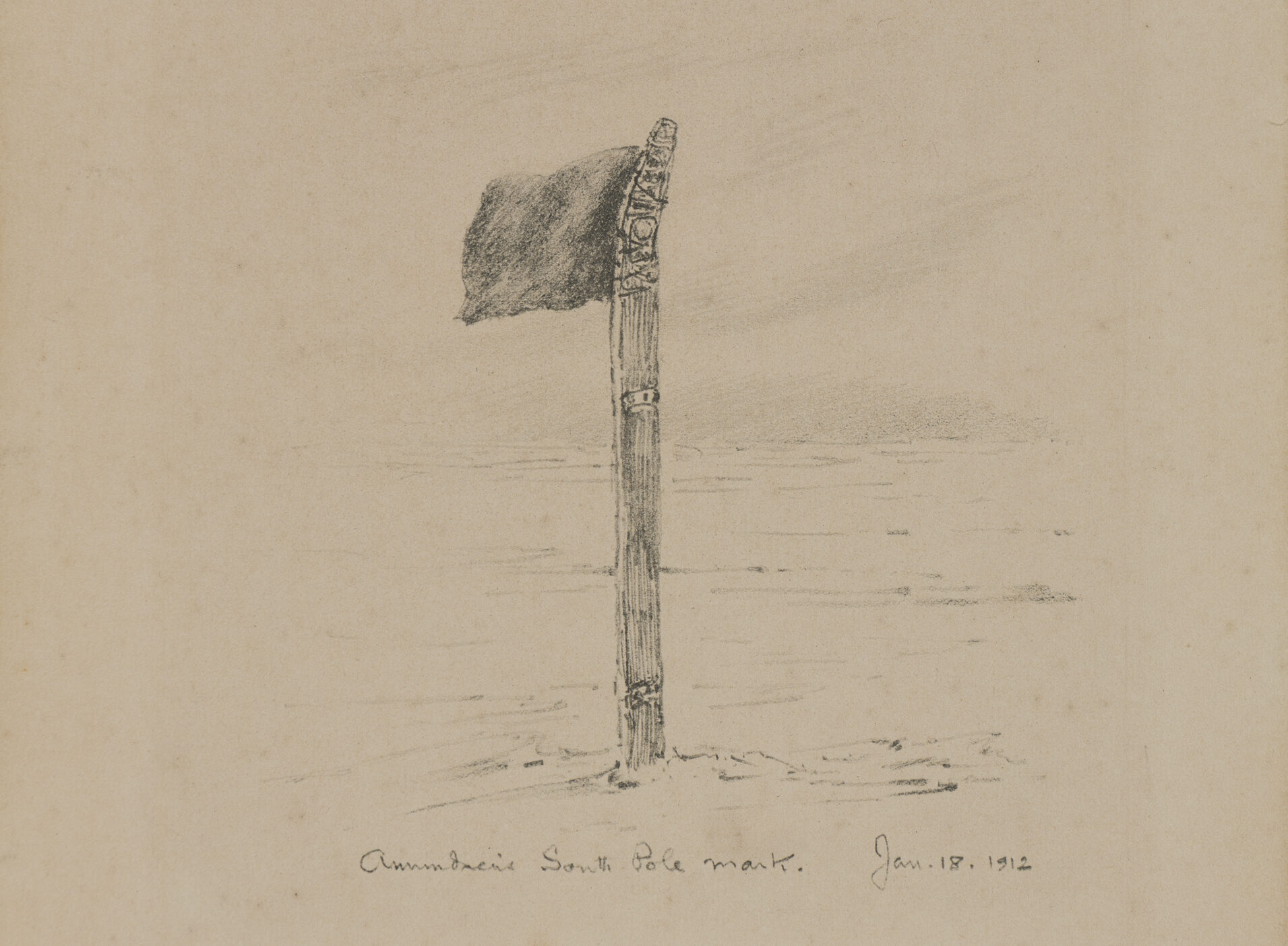
The last drawings Wilson made were at the South Pole. On 17 January 1912, Scott, Wilson, Henry Bowers, Edgar Evans and Lawrence Oates, reached 90° South hoping to be the first in history to do so, only to find Norwegian explorer Roald Amundsen had arrived five weeks earlier. Wilson diligently recorded the landmarks left by the Norwegians, including their makeshift South Pole marker. Poignantly, the flag signals the final chapter of Edward Wilson’s art and life.
On the return journey the team of five perished. At the age of 39, Wilson died alongside Scott and Bowers just a few miles away from a food depot. A search party found the tent where they lay the following summer. The tent was covered with a snow cairn with the men inside left at rest on the Antarctic ice. But this is not how the story ends.
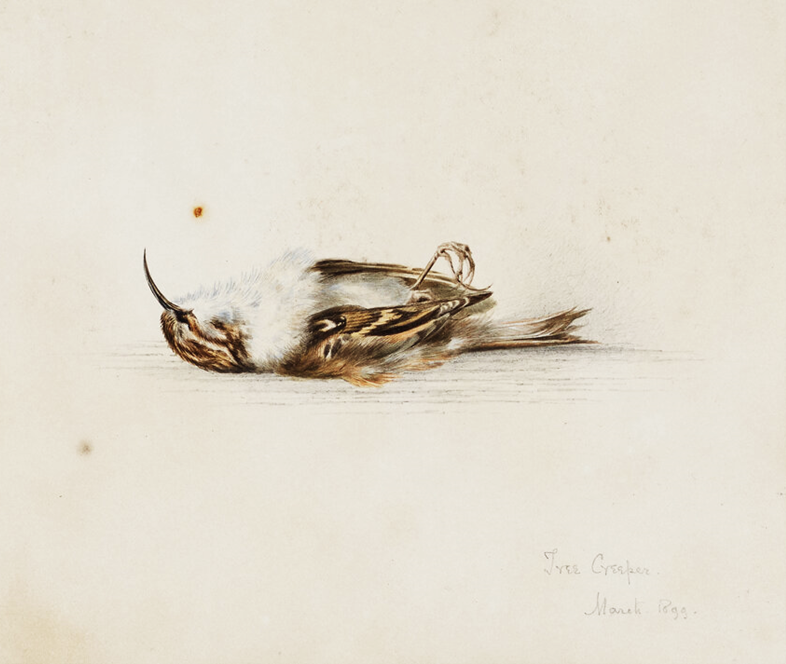
Over 100 years later, one of Wilson's paintings was found by Antarctic Heritage Trust conservator Josefin Bergmark-Jimenez, while working in Canterbury Museum’s conservation lab sifting through a stack of papers retrieved from the Cape Adare Antarctic historic hut. The painting shows a small bird lying on the page. Dated March 1899, it’s a painting Wilson made in the Swiss Alps while recuperating from tuberculosis. The painting reads as a metaphor for Wilson himself - travelling all the way from Switzerland to Antarctica, a stilled life in a state of eternal sleep, at rest on a sheet of white.